The National Technical University of Athens (NTUA) is organizing this Blended Intensive Program in cooperation with all the EULiST partners and the Technical University Munich (TUM). Participating academics and teaching staff members will share their expertise on sustainable building energy technologies, advanced heating and cooling systems, building energy simulation, smart digital methods, and decarbonization strategies. The virtual sessions prepare students for the practical onsite workshops, technical visits, and group projects. The online component (28 Sept, 5 & 12 Oct) ensures that all participants share a common background before arriving in Athens. It introduces core concepts in energy performance, decarbonisation, HVAC technologies and sustainable building systems, and prepares students for the practical onsite workshops, technical visits and DesignBuilder-based group project. The virtual sessions therefore function as the conceptual foundation of the BIP and support the integration of online learning with the intensive face-to-face programme.
- Teacher: Roza Christodoulaki
- Teacher: Emmanouela Giannakopoulou
- Teacher: Irini Koronaki
- Teacher: Alexandra Nasopoulou
- Teacher: Tryfon Roubedakis

The BIP Program is addressed to undergraduate, postgraduate and PhD students from all EULiST Universities, who are interested in 3D technologies and their applications in Cultural Heritage, Infrastructure, and Environmental monitoring. Eligible fields of study include Geomatics, Civil and Environmental Engineering, Architecture, Computer Science, and related disciplines.
- Teacher: Regina Chliverou
- Teacher: Efi Dimopoulou
- Teacher: Ján Erdélyi
- Teacher: Tomáš Funtík
- Teacher: Emmanouela Giannakopoulou
- Teacher: Laure-Anne Gueguen
- Teacher: Richard Honti
- Teacher: Anna Iglseder
- Teacher: Charalampos Ioannidis
- Teacher: Konstantinos Nikolitsas
- Teacher: Norbert Pfeifer
- Teacher: Georgios Piniotis
- Teacher: Sofia Soile
- Teacher: Richard Varga
- Teacher: Styliani Verykokou
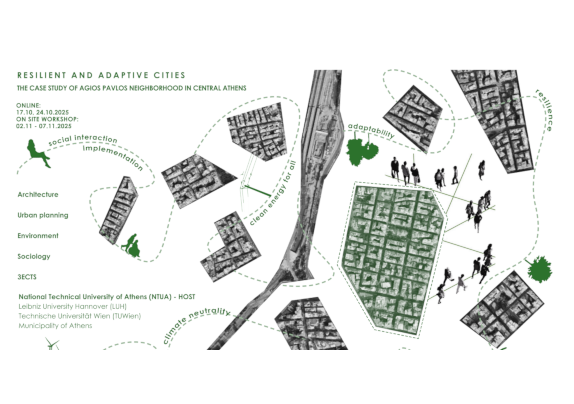
RESILIENT AND ADAPTIVE CITIES
“THE CASE STUDY OF AGIOS PAVLOS NEIGHBORHOOD IN CENTRAL ATHENS”
CONTEXT: Undergraduate and Postgraduate Students of architectural and urban planning studies
FIELD OF EXCHANGE: Architecture, Urban planning, Environment, Sociology
CREDIT POINTS: 3ECTS
LEARNING OUTCOMES:
- Analyze and comprehend parameters that form neighborhood character: Urban morphology and landmarks, building fabric and urban skin, history and socioeconomic constraints
- Define complexities and challenges in urban neighborhoods
- Develop the methodology to assess a place’ s adaptability and resilience to social, economic, political and climate related changes/threats.
- Address the assessed issues with proposals
- Teacher: Eleni Alexandrou
- Teacher: Maria Gika
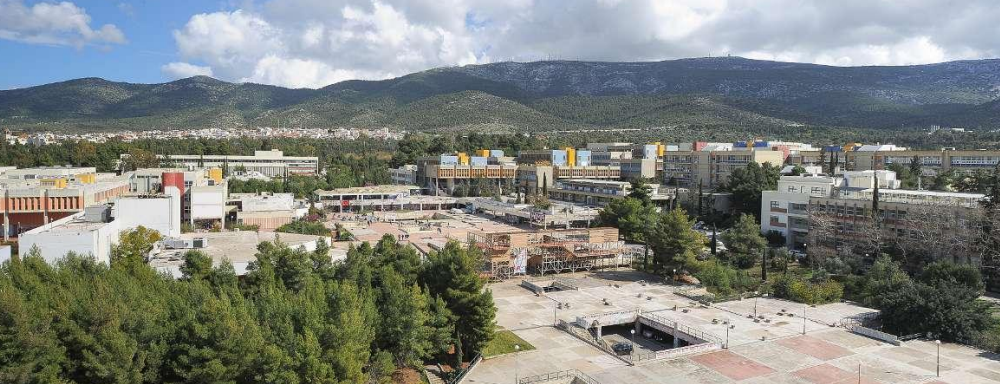
In this Erasmus+ Blended Intensive Programme, students will work in interdisciplinary teams to develop real-world solutions for low-carbon campuses.
Participating academics and teaching staff members will share as lecturers and mentors best practices with students for monitoring the carbon footprint, towards sustainable EULiST campuses. Moreover, during the program, thematic areas to be discussed include the promotion of research on carbon emissions reduction technology, aligned with SDG 7 to ensure access to affordable, reliable, sustainable energy for all, as well as the European Green Deal and the European Education Area’s Focus Topic “Green Education”.
- Teacher: Tryfon Roubedakis
- Teacher: Ioannis Tzigounakis